Plenary Speakers
Plenayr Speaker Ⅰ
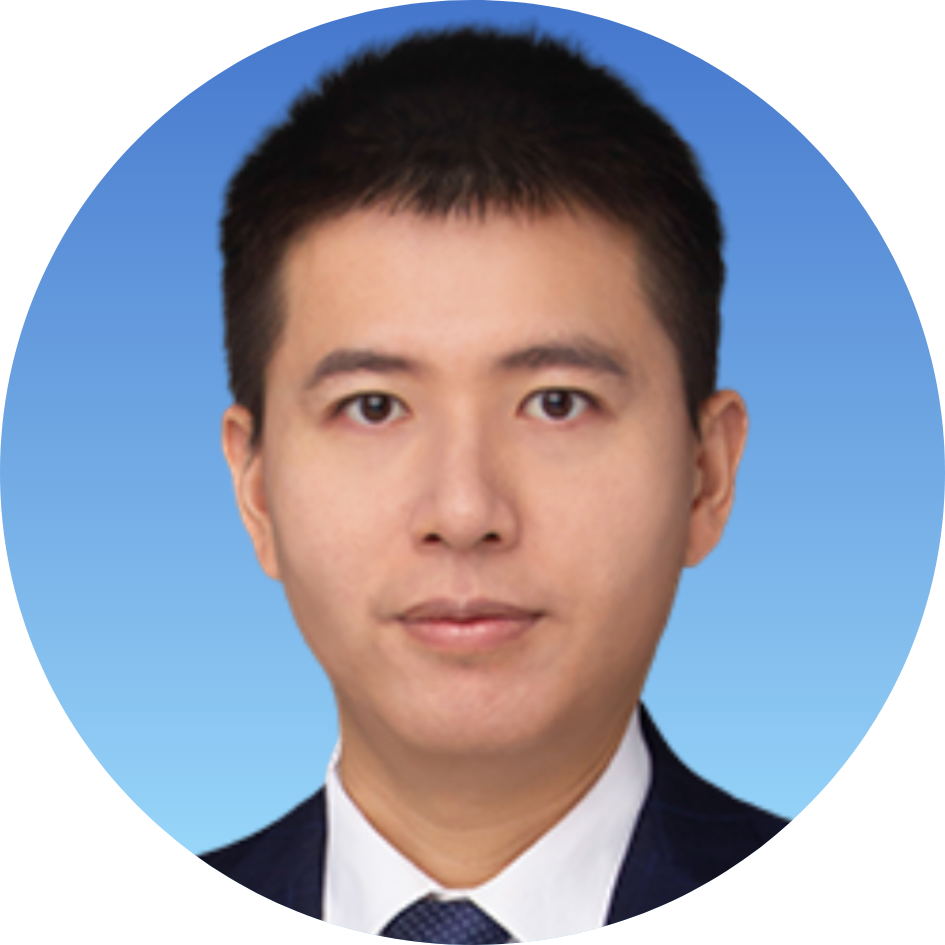 Yang Jin
Zhengzhou University, China
Brief Introduction: Jin Yang is a Professor and doctoral supervisor at Zhengzhou University. He serves as Executive Dean of the Institute of New Energy, Zhengzhou University, and Director of the Henan Provincial Engineering Research Center for Lithium Battery Safety Protection Technology and Equipment. His research focuses on safety management and system integration of lithium-ion batteries for energy storage applications. He has led more than ten research projects, including the Excellent Young Scientists Fund project of the National Natural Science Foundation of China (NSFC) and the Youth Scientist Program of the National Key Research and Development Program. He has published over 60 academic papers as first or corresponding author in journals such as Nature Energy, Joule, and Science Advances, and has received the Youth Science and Technology Innovation Award of the China Power Supply Society, among other honors.
Speech Title: Intelligent Sensing and Monitoring Technology for Lithium-Ion Batteries
Abstract: To address the safety prevention and control requirements of lithium-ion batteries for energy storage across diverse application scenarios, this research focuses on intelligent sensing and monitoring technologies for both the interior and exterior of batteries. Implantable sensing approaches, including internal pressure and temperature sensors, are developed to achieve in-situ acquisition of the battery's internal state information, enabling accurate capture of early failure signatures and early identification of thermal runaway risks. This work presents technical solutions for sensor integration, signal acquisition, and state assessment, and elaborates on the application potential of this technology in battery safety early warning, offering new insights for the safety protection of energy storage batteries.
Plenayr Speaker Ⅱ
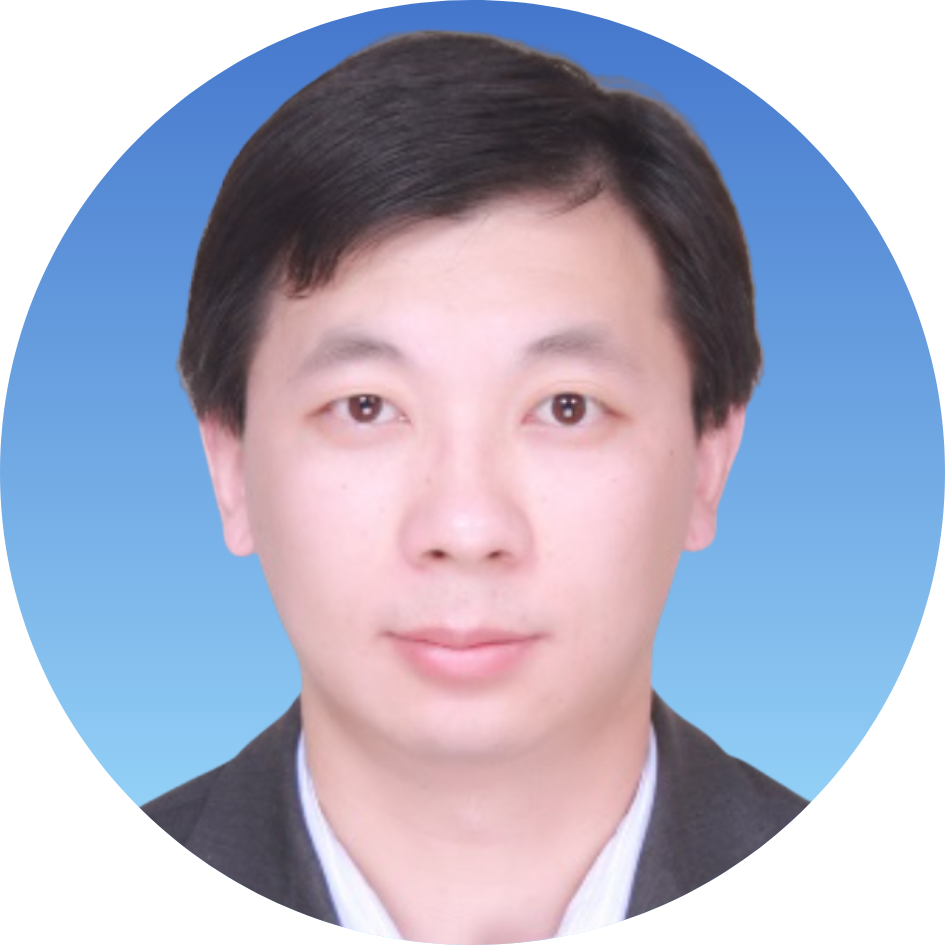 Hua Ye
Shandong University, China
Brief Introduction: TBD
Speech Title: TBD
Abstract: TBD
Plenayr Speaker Ⅲ
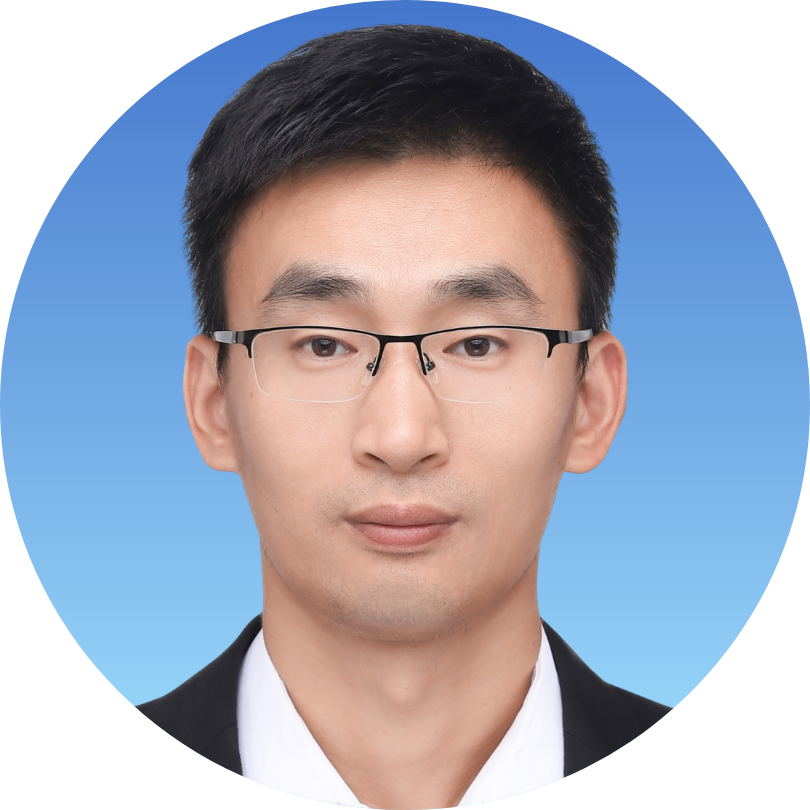 Shiping Wen
Shenzhen University of Advanced Technology, China
Brief Introduction: Shiping Wen is the Distinguished Professor in Faculty of Computer Science and Artificial Intelligence, Shenzhen University of Advanced Technology since March 2026. He was a Professor in the AAII of Faculty of Engineering and Information Technology at University of Technology Sydney (UTS) from November 2019 to March 2026. He is also a Fellow of Institute of Physics, and a Fellow of BCS (British Computer Society). His research interests include neural network, deep learning, computer vision, and their applications in medical informatics, et al. Prof Wen won the National Talent Project of China in 2025 and was listed as a Highly Cited Researcher in the Cross-Field by Clarivate Analytics in 2018 and 2020, respectively. He won the 2024 IEEE Transactions on Emerging Topics in Computational Intelligence Outstanding Paper Award, the 2025 IEEE/SWU Artificial Intelligence Science and Engineering Outstanding Paper Award, and has been listed as a Research.com Rising Star of Science Award since 2022, the World’s Top 2% Scientists since 2020, the Top 0.05% Highly Ranked Scholar (Prior 5 Years and Life time) since 2024. Prof Wen received the 2017 Young Investigator Award of Asian Pacific Neural Network Association and 2015 Chinese Association of Artificial Intelligence Outstanding PhD Dissertation Award. He currently serves as Associate Editor for KBS, NN, EAAI, IEEE SMC Magazine, CAEE, NPL, Expert Systems, Energies, etc., and Leading Guest Editor for IEEE TNSE, SCS, ERL, etc. He also serviced as the General Chair for several international conferences.
Speech Title: Safe Optimal Control of Cooperative Multi-agent Systems
Abstract: The cooperative control problems of multi-agent systems (MASs) have drawn much attention from researchers due to their wide-ranging applications, such as exploring environments, maintaining formations, covering areas, and so on. A fundamental requirement of MASs is system stability, which indicates the system states achieve the desired objectives. Another necessary requirement is systems safety, especially the collision avoidance among multiple agents, which implies the states remain in safe regions during the control process. The main approach is to design a valid control Lyapunov function (CLF) for MASs to realize the stability, and a valid control barrier function (CBF) to ensure the safety. Subsequently, the CLF and CBF constraints can be combined in the quadratic programming (QP) framework, and the feasible control inputs are obtained by solving the QP optimization problems. What is more, considering the external disturbances and noises in the operating environment, the robustness analysis is important for uncertain MASs. In the aforementioned QP control approach, there are unknown items in the CLF and CBF constraints to be addressed. Gaussian process (GP) works as a useful tool under this circumstance, which can estimate an unknown function by providing its mean and variance. Combined with the Bayesian theorem, the GP-CLF-CBF-based QP control framework is constructed to ensure the stability and safety with a high probability. Additionally, given the resource-constrained environments of MASs, optimizing the control performance remains an active area of research. The hyperparameters are shown to affect the performance implicitly, and the performance enhancement of MASs can be investigated by solving a black-box optimization problem. According to the above discussions, the cooperative control of MASs is studied from the following three aspects: 1) establishing the CLF-CBF-based QP control framework that concerns both control and safety objectives and also ensures the fulfilment of distributed control; 2) constructing the GP models for uncertainties by facilitating statistical inference to improve the robustness of the proposed framework; 3) analyzing the relationship between the hyperparameters and performance of MASs and achieving the performance enhancement by a constrained Bayesian optimization algorithm.
Plenayr Speaker Ⅳ
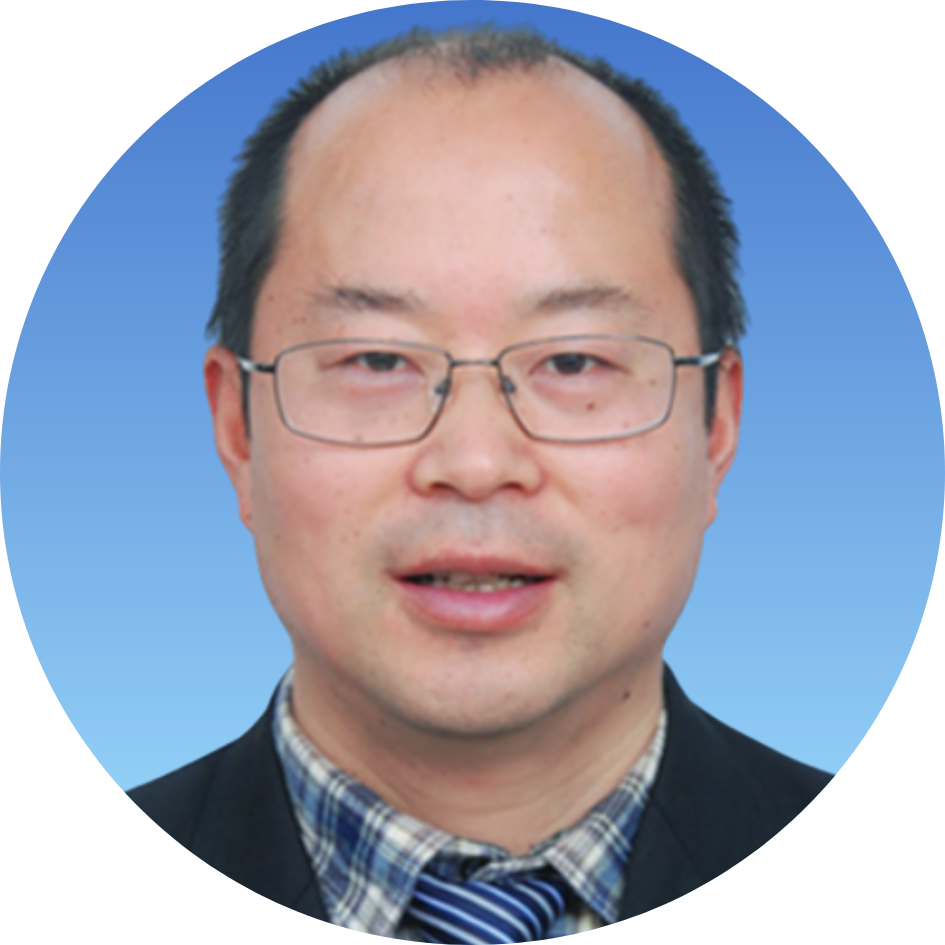 Shenghu Li
Hefei University of Technology, China
Brief Introduction: 李生虎,男,合肥工业大学电气与自动化工程学院教授,博士生导师。
研究方向为风电并网电力系统分析与控制、HVDC和FACTS输电技术、电力系统规划与可靠性。
主持国家自然科学基金、安徽省优青基金,入选教育部新世纪人才计划。
发表SCI检索期刊论文60余篇,另外EI检索期刊论文100余篇,授权发明专利20余项。
Speech Title: 考虑多水电机组限幅环节的电力系统振荡稳定性研究
Abstract: 水电机组调速器限幅环节易引发超低频振荡。现有描述函数方法仅考虑单个控制回路或独立的多个控制回路,忽略多限幅间交互对系统稳定性的影响。
以潮流方程雅可比矩阵为桥梁,提出危险模式对抽蓄机组出力灵敏度以及对导叶开度的灵敏度解析表达。以控制参数和导叶开度调整量最小为目标,以危险模式阈值为约束,提出并网系统小干扰稳定约束最优潮流算法。
建立多水电机组并网系统传递函数矩阵,提出矩阵描述函数方法分析多限幅环节交互作用。引入相似变换处理矩阵,利用2-范数量化矩阵描述函数曲线,预测系统极限环;基于广义奈奎斯特理论,提出系统稳定判别方法。以开环传递函数实部灵敏度为梯度,优化调速器参数以改善系统振荡稳定性。